


What Is Erythritol and Should You Avoid It?
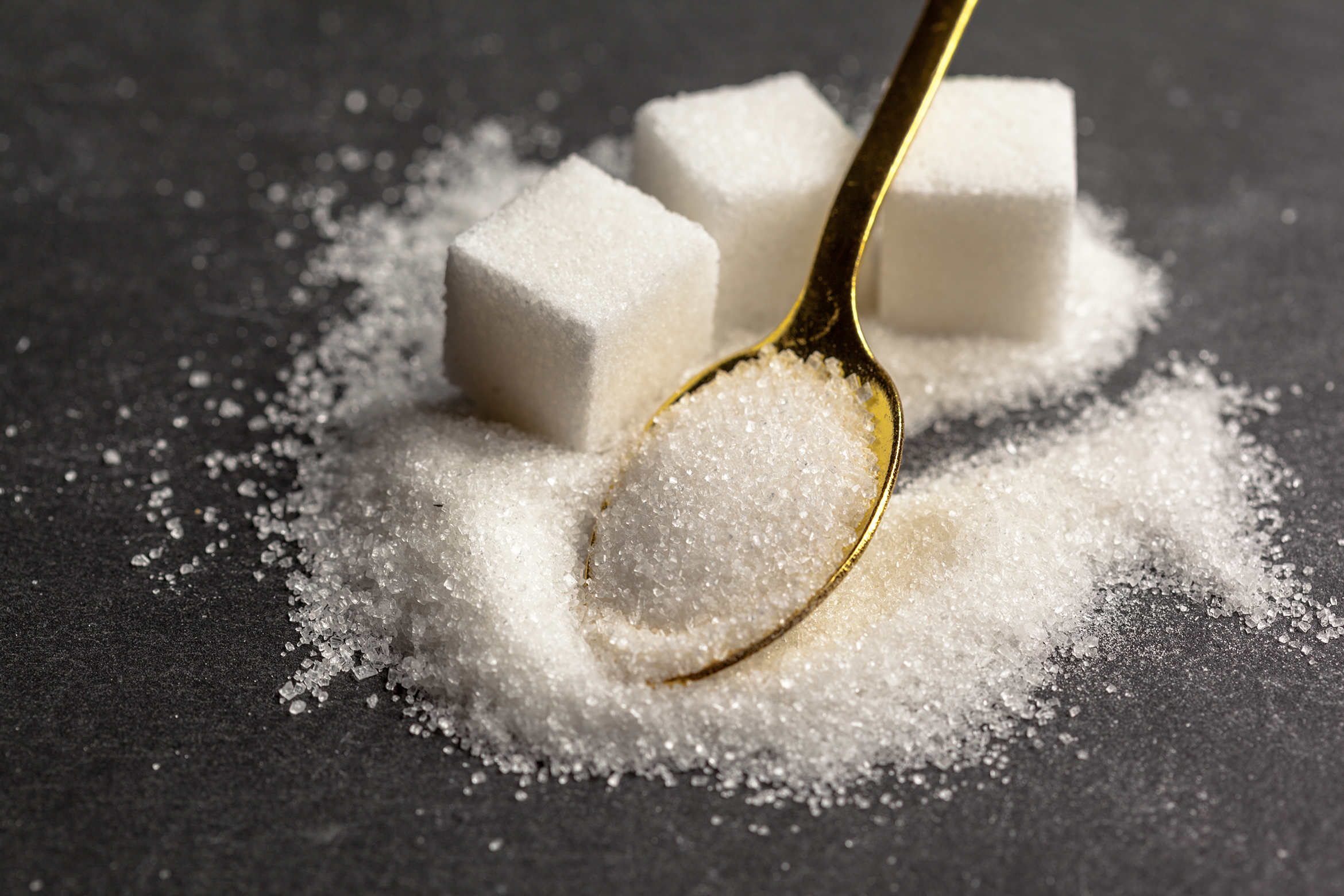
If you've been reading labels on sparkling water or other "zero sugar" drinks lately, you've probably come across the word erythritol. It sounds technical, it's hard to pronounce, and most people have no idea what it actually is or where it comes from. In this post, we'll break down exactly what erythritol is, why it's used so widely, what the latest research says, and whether you should be thinking twice before drinking it regularly.
What Is Erythritol?
Erythritol is a sugar alcohol, a type of carbohydrate that occurs naturally in very small amounts in some fruits and fermented foods. However, the erythritol used in food and drinks is almost always produced commercially through an industrial fermentation process, typically using glucose derived from corn starch.
It tastes sweet, about 60 to 80% as sweet as regular sugar, but it contains almost no calories and doesn't spike blood sugar in the same way sugar does. This makes it attractive to food and beverage brands looking to reduce sugar while keeping a sweet taste.
You'll find erythritol in products marketed as "sugar-free", "zero calorie", "keto-friendly", or "no added sugar". It's used in drinks like Chi Forest, many protein bars, sugar-free chocolates, and diet beverages.
Why Do Brands Use Erythritol?
From a formulation perspective, erythritol ticks a lot of boxes for beverage brands:
It's sweet without adding significant caloriesIt doesn't significantly raise blood glucose or insulin levelsIt has a clean taste profile compared to some other sweeteners like stevia or aspartameIt's been approved for use by food safety authorities including the FDA and EFSAIt helps products achieve a low or zero sugar label
For a brand like Chi Forest, erythritol solves a difficult problem: how do you make a flavoured drink taste sweet and fruity without using real sugar? The answer, for many brands, has been sweeteners like erythritol and stevia. But that answer is now under greater scrutiny than ever before.
What Does the Research Say?
Here's where things get more complicated. While erythritol has been used in food products for decades and is generally considered safe by regulators, recent research has raised some important questions, particularly around cardiovascular health.
The 2023 Cleveland Clinic Study
In early 2023, a study published in Nature Medicine by researchers at the Cleveland Clinic found a significant association between higher blood levels of erythritol and an increased risk of major cardiovascular events, including heart attack and stroke.
The study followed over 4,000 people in the US and Europe and found that those with the highest erythritol levels in their blood had roughly twice the risk of experiencing a serious cardiovascular event compared to those with the lowest levels.
The researchers also found that erythritol enhanced platelet activity, meaning it made blood more prone to clotting, which is a known risk factor for heart attack and stroke.
It's important to note that this was an observational study, meaning it identified a correlation rather than proving direct causation. However, the findings were significant enough to prompt widespread coverage and further research into erythritol's long-term safety.
The Absorption Issue
Unlike sugar, erythritol is not fully metabolised by the body. Most of it is absorbed into the bloodstream and then excreted through urine. This means that when you consume erythritol, especially in the amounts found in drinks, it circulates through your bloodstream for an extended period before being eliminated.
This is quite different from how natural sugars from fruit are processed, where the body metabolises them as part of a complex matrix of fibre, vitamins, and other nutrients.
Gut Microbiome Concerns
Some research also suggests that sugar alcohols like erythritol can have an impact on gut bacteria, though the evidence here is more mixed. Some people experience digestive discomfort, including bloating and loose stools, when consuming erythritol in larger quantities, though this is generally less severe than with other sugar alcohols like sorbitol or xylitol.
Is Erythritol Safe?
Regulatory bodies including the FDA and the European Food Safety Authority (EFSA) have approved erythritol as safe for consumption, and that status has not changed following the 2023 study. So officially, yes, it is considered safe.
However, "approved as safe" and "proven to have no long-term effects" are two different things. The science around erythritol, particularly its cardiovascular implications, is still evolving. The 2023 Cleveland Clinic findings have prompted calls for further research and more caution around recommending high levels of erythritol consumption.
The key word is amount. Erythritol occurs naturally in small quantities in foods like pears, grapes, and fermented products. Consuming it at those trace levels is very different from drinking a can of sparkling water that contains several grams of commercially produced erythritol per serving.
How Much Erythritol Is in Drinks Like Chi Forest?
Chi Forest's sparkling waters use erythritol, alongside stevia, as their primary sweetening system. A single can typically contains several grams of erythritol. If you're drinking one or two cans a day, which is not unusual for someone who enjoys sparkling water regularly, you could be consuming a meaningful daily dose of erythritol.
For context, the 2023 Cleveland Clinic study found elevated cardiovascular risk at blood erythritol levels that could be reached after consuming a single serving of an erythritol-sweetened product.
What's the Alternative?
If you enjoy flavoured sparkling water but want to avoid erythritol and other sweeteners entirely, the good news is that there are options, though they're rarer than you might think.
At Wild Orchard, we made a deliberate decision from day one not to use any sweeteners, not erythritol, not stevia, not monk fruit, not sucralose, not anything. Instead, we use real fruit juice as our flavouring ingredient. A small amount of genuine fruit juice gives our sparkling water its taste, naturally, honestly, and without the need for any sweetening shortcuts.
The result is a drink that's naturally low in sugar (under 0.5g per 100ml), Nutri-Grade A rated, and completely free from sweeteners of any kind. The sweetness you taste is the same sweetness you'd get from biting into a mango or a lychee, because it genuinely comes from those fruits.
Should You Avoid Erythritol?
Here's our honest take: erythritol is not definitively dangerous, and the research is still developing. But the 2023 findings are significant enough that it's reasonable to be more cautious about consuming it in large quantities on a regular basis, especially given that it's now showing up in so many "healthy" drinks at meaningful doses per serving.
If you're someone who drinks one or more cans of erythritol-sweetened sparkling water every day, it's worth being aware of the emerging research and considering whether there's a cleaner alternative that suits your lifestyle.
The bigger point is this: just because something is labelled "zero sugar" or "no added sugar" doesn't automatically make it the healthiest choice. What matters is what's actually in the drink, and whether those ingredients have a long, well-understood track record of safety.
The Bottom Line
Erythritol is a widely used sweetener in zero-sugar drinks, including popular brands sold across Singapore and Asia. It has regulatory approval, but emerging research, particularly the 2023 Cleveland Clinic study, raises questions about its cardiovascular effects at the doses found in commercial food and drink products.
If you want the flavour of fruit in your sparkling water without erythritol, stevia, or any other sweetener, Wild Orchard is made for you. Real fruit juice. No sweeteners. Nothing to second-guess.
More Insights & Tips
.png)
Why We Didn't Make Our Drink Probiotic
.png)
Our Thoughts on Beverages with Artificial and Natural Sweeteners
.png)